South Florida
Hurricane Preparedness
Living in South Florida means being ready. Here is everything you need to know to protect your family before, during, and after a hurricane.
Hurricane season runs June 1 through November 30. The peak is August through October. Be prepared before a storm is named.
Your Action Plan
Before, During & After
Before the Storm
- Know your evacuation zone — look up your zone at pbcgov.com
- Identify your nearest shelter in advance
- Trim trees and secure outdoor furniture and loose objects
- Fill your car with gas before the storm
- Charge all devices and fill power banks
- Notify family and friends of your plan
- Move important documents to waterproof bags
- Fill the bathtub with water for flushing toilets
During the Storm
- Stay indoors, away from windows and glass doors
- Go to an interior room on the lowest floor if winds are high
- Do not go outside during the eye of the storm — the danger returns
- Do not use generators, grills, or camp stoves indoors
- Monitor a battery-powered radio for official updates
- Avoid floodwaters — just 6 inches can knock you down
After the Storm
- Wait for official all-clear before going outside
- Do not drive through flooded roads
- Watch for downed power lines and report them
- Document damage with photos for insurance
- Use caution with food — discard anything that may be spoiled
- Check on elderly and vulnerable neighbors
Be Ready
Build Your Emergency Kit
Experts recommend having enough supplies to sustain your household for at least 7 days without outside help.
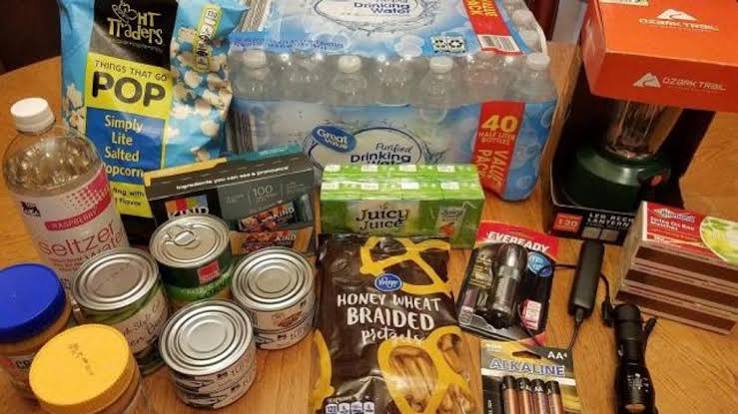
Water & Food
- 1 gallon of water per person per day (at least 7-day supply)
- Non-perishable food for at least 7 days
- Manual can opener
- Baby formula, food, or diapers if needed
- Pet food and extra water for pets
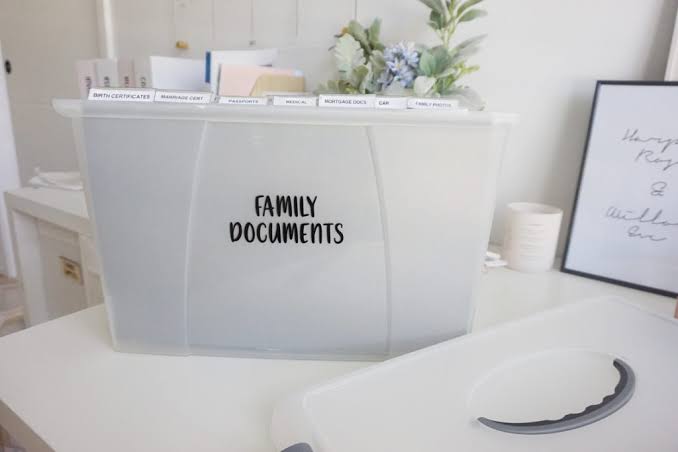
Documents & Finance
- Copies of ID, passport, insurance policies
- Cash in small bills (ATMs may be down)
- Bank and credit card information
- Copies of medical prescriptions
- Important phone numbers written down

Health & Safety
- First aid kit
- At least 7-day supply of medications
- Extra eyeglasses or contacts
- Flashlights and extra batteries
- Battery-powered or hand-crank radio
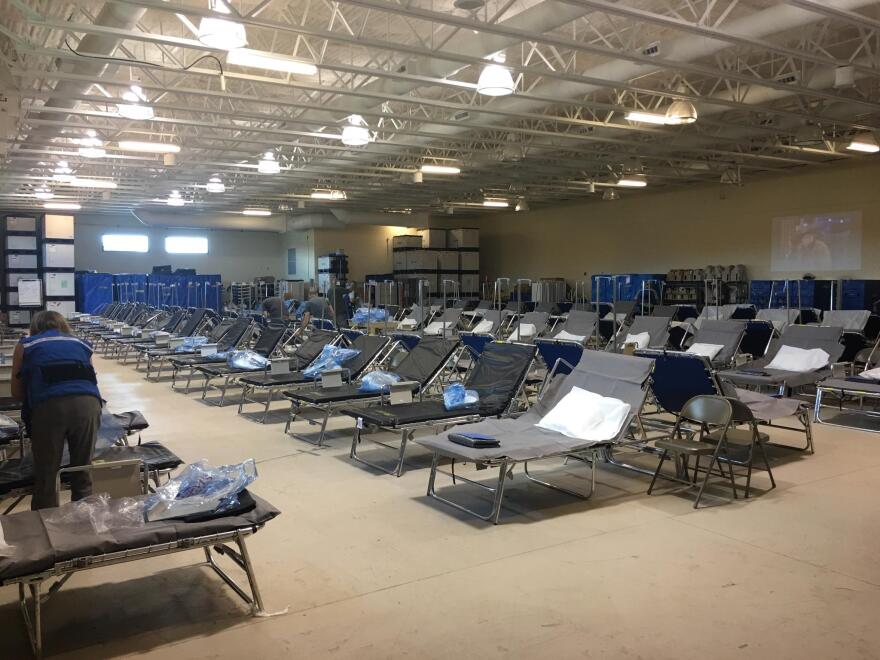
Shelter & Comfort
- Blankets or sleeping bags
- Change of clothing for each person
- Rain gear and sturdy shoes
- Tarp or plastic sheeting and duct tape
- Sleeping bag or warm blanket per person
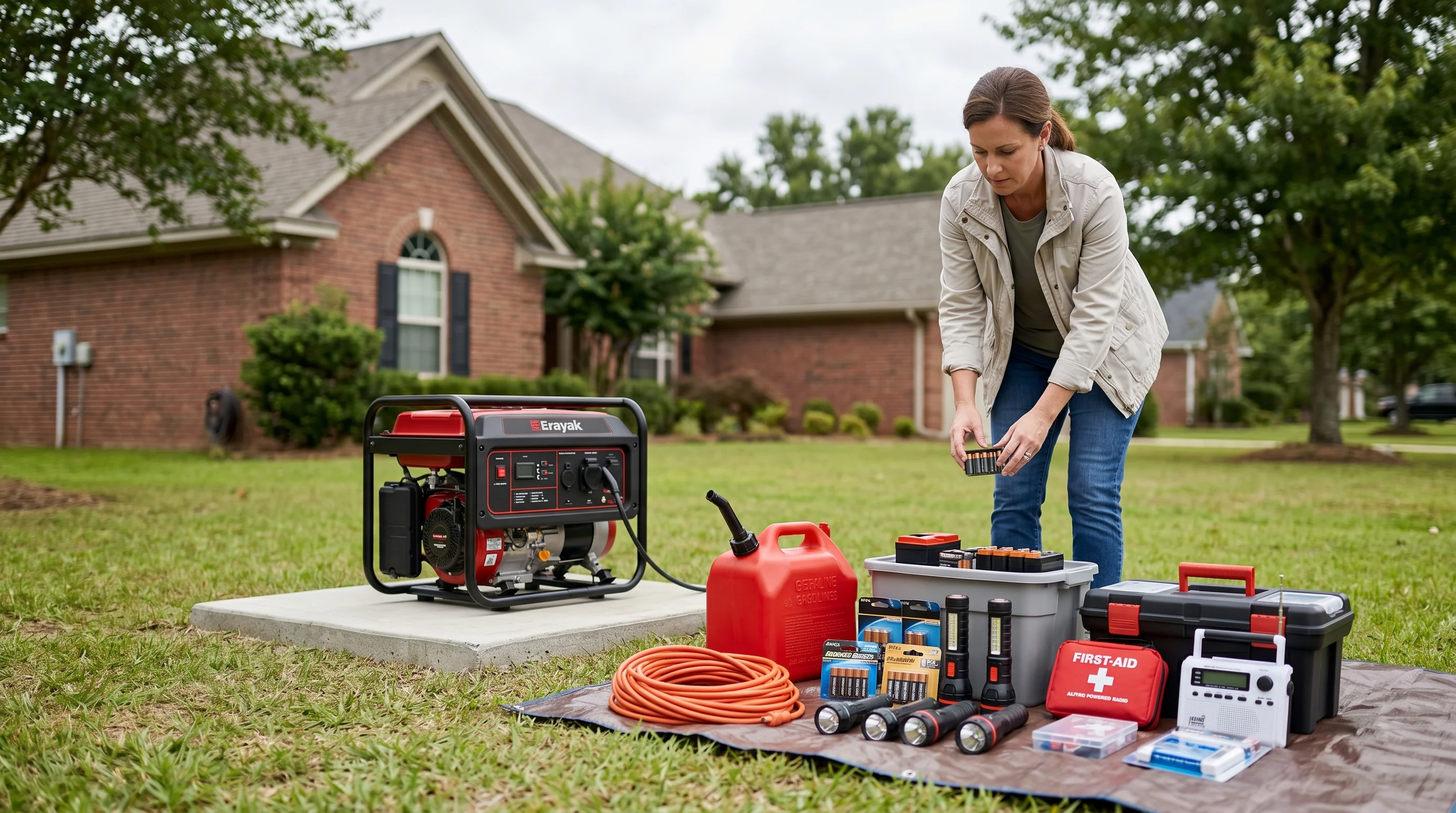
Communication & Power
- Fully charged portable phone charger / power bank
- Battery backup for CPAP or medical devices
- Whistle to signal for help
- Local maps (in case GPS is unavailable)
- Extra batteries in various sizes
Home Protection
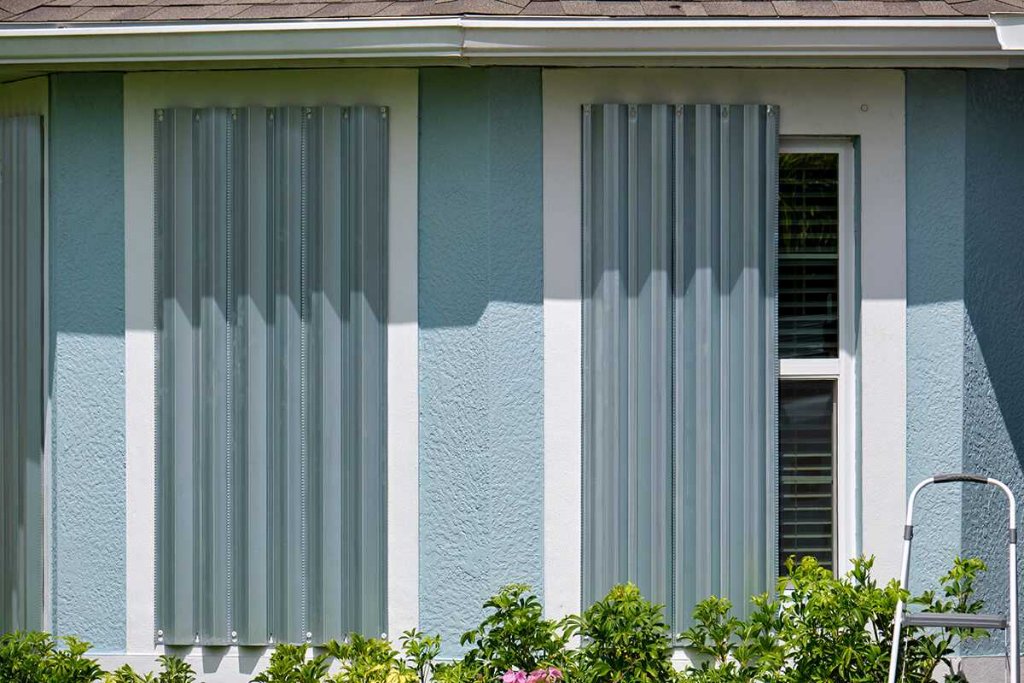
- Hurricane shutters or plywood for windows
- Sandbags to prevent flooding
- Generator with fuel (use outdoors only)
- Chainsaw or tools for debris clearing
- Waterproof containers for valuables
Palm Beach County
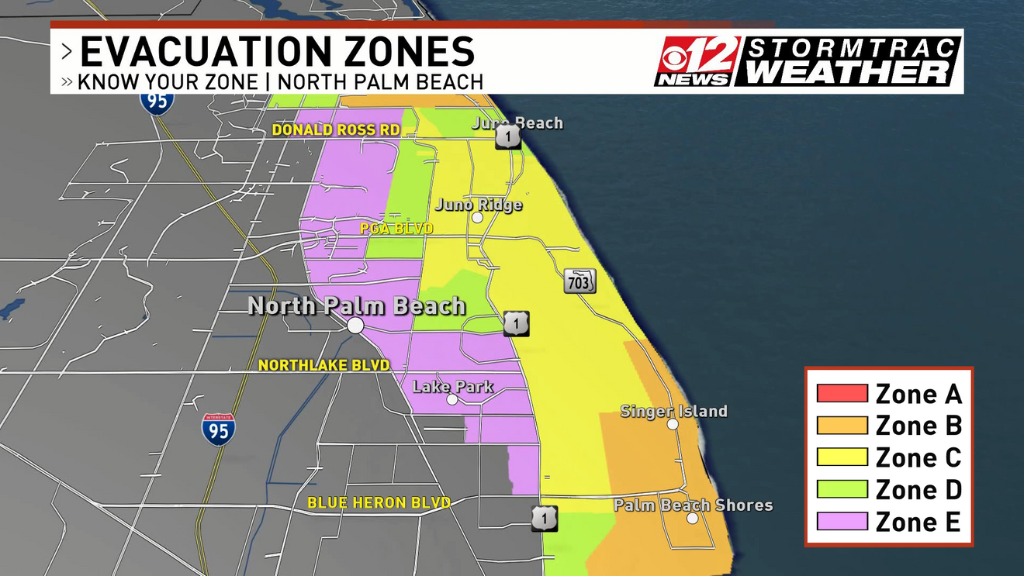
Know Your Evacuation Zone
Palm Beach County uses lettered evacuation zones (A through F). Zone A is the highest risk and is ordered to evacuate first during major storms.
Look up your home address today at the official Palm Beach County site so you are not scrambling when a storm approaches.
Save These Now
Emergency Numbers
PBC Emergency Management
(561) 712-6400PBC Non-Emergency (Shelters)
(561) 712-6400Florida Power & Light Outages
1-800-4-OUTAGEAmerican Red Cross
1-800-733-2767FEMA Helpline
1-800-621-3362Poison Control
1-800-222-1222Stay Informed
Helpful Resources
Palm Beach County Emergency Management
Official evacuation zones, shelter locations, and local alerts
National Hurricane Center
Real-time storm tracking and forecasts
FL Division of Emergency Management
Statewide preparedness resources and updates
Ready.gov Hurricane Guide
Federal preparedness guidelines and checklists
American Red Cross — FL
Shelters, disaster relief, and recovery assistance